


Iceland, a land of stunning landscapes and natural wonders, is an enticing destination for travelers year-round. However, the weather can vary greatly depending on the time of year you visit. If you're planning a trip in the late summer, you might be wondering how the weather in Iceland differs between August and September. In this article, we'll explore the nuances of Iceland's climate during these months, helping you to plan your adventure more effectively.
Summary
August is milder with long daylight (50–59°F/10–15°C), open roads, lively festivals, and abundant wildlife—great for extensive outdoor exploration and campervan travel. September turns cooler and more variable (45–54°F/7–12°C) with shorter days, fewer crowds, vivid autumn colors, and the start of Northern Lights season, though some highland routes may close. Across both months, Iceland’s maritime climate and microclimates make weather changeable, so plan flexibly and pack layered, waterproof, windproof gear.
Before diving into specifics, it's important to understand that Iceland's weather is notoriously unpredictable. Situated in the North Atlantic, the island experiences a maritime climate, which means that weather conditions can change rapidly. It's not uncommon to encounter sunshine, rain, wind, and even snow all in one day.
The maritime climate of Iceland is characterized by relatively mild, wet, and windy conditions, influenced by the Gulf Stream. This oceanic current helps moderate the temperatures, preventing them from becoming too extreme. However, the flip side is the frequent and sudden weather changes that can catch travelers off guard.
One of the unique aspects of Iceland's weather is the possibility of experiencing all four seasons in a single day. You might start your morning with clear skies and sunshine, only to encounter a rainstorm or even hail by the afternoon. This unpredictability adds an element of adventure to any Icelandic trip, making it essential to be prepared for anything.
Iceland's diverse geography also plays a role in its weather patterns. The island's rugged terrain, including mountains, glaciers, and coastlines, creates microclimates that can vary drastically over short distances. It's not unusual for the weather to be vastly different just a few miles away, adding to the island's mystique.

Weather in Iceland in Late August
August is one of the most popular months for tourists visiting Iceland, and for good reason. The weather in Iceland in late August is relatively mild compared to other months. Daytime temperatures typically range from 50°F to 59°F (10°C to 15°C). At night, temperatures can drop to around 41°F to 50°F (5°C to 10°C). While this might feel chilly for some, it's pleasant compared to Iceland's winter months.
Daylight Hours and Exploration
August offers long daylight hours, with the sun setting around 9:30 PM by the end of the month. This provides ample time for exploring the breathtaking landscapes Iceland has to offer. The extended daylight is perfect for outdoor enthusiasts looking to make the most of their time hiking, sightseeing, or simply soaking in the natural beauty.
Wildlife and Nature
Late August is a great time to experience Iceland's vibrant wildlife. Puffins, which are a major attraction, are still around, although they begin to migrate by the end of the month. Additionally, the lush green landscapes are still prevalent, providing a stunning backdrop for photography and nature walks.
Festivals and Local Culture
August is also a month filled with cultural events and festivals in Iceland. From music festivals to local fairs, there's no shortage of cultural experiences to enjoy. These events provide a unique opportunity to engage with local traditions, taste Icelandic cuisine, and immerse yourself in the country's rich cultural tapestry.
Reykjavik Iceland Weather in August
In Reykjavik, the capital city, the weather tends to be slightly milder than in the more rural areas. Expect average temperatures in Reykjavik in August to hover around 55°F (13°C) during the day, with cooler nights averaging 46°F (8°C).
Urban Exploration
Reykjavik in August is a vibrant city, bustling with tourists and locals alike. The mild weather makes it an ideal time to explore the city's many attractions, from the iconic Hallgrímskirkja Church to the Harpa Concert Hall. Outdoor cafes and street performers add to the lively atmosphere, making it a delightful time to visit.
Dining and Nightlife
August is also a fantastic time to experience Reykjavik's dining scene. The city's restaurants offer a range of options, from traditional Icelandic dishes to international cuisine. As the sun sets, Reykjavik's nightlife comes alive, with bars and clubs offering everything from live music to themed nights.
Shopping and Souvenirs
Reykjavik is home to a variety of shops and boutiques, perfect for picking up souvenirs or unique Icelandic products. August's mild weather makes shopping excursions pleasant, whether you're looking for handcrafted items, local art, or the famous Icelandic wool sweaters.

Weather in Iceland in September
As September rolls in, the weather in Iceland begins to transition. While early September can still be quite mild, by the end of the month, you'll notice a significant drop in temperatures. Daytime highs range from 45°F to 54°F (7°C to 12°C), with nighttime temperatures dropping to around 37°F to 45°F (3°C to 7°C).
The Onset of Autumn
September marks the beginning of autumn in Iceland, and with it comes shorter days. By the end of the month, the sun sets around 7:30 PM. This shift provides a different, yet equally enchanting, perspective of Iceland's natural beauty. The changing foliage adds a splash of color to the landscapes, offering a picturesque setting for travelers.
Northern Lights Season
September also marks the beginning of the Northern Lights season. As the nights grow longer, the chances of witnessing this natural phenomenon increase. While sightings are never guaranteed, the possibility of seeing the aurora borealis dancing across the sky is a major draw for many visitors.
Quieter Travel Experience
With the tourist season winding down, September offers a more tranquil travel experience. Attractions are less crowded, and you may find it easier to enjoy popular sites without the hustle and bustle of peak tourist activity. This quieter atmosphere allows for a more intimate connection with Iceland's serene landscapes.
Iceland Weather in Late September
In late September, you can expect cooler and more volatile weather. It's not uncommon to experience rain and wind, so packing waterproof clothing is essential. However, the changing foliage during this time of year can be a breathtaking sight, with autumn colors painting the landscapes.
Preparing for Weather Changes
Late September's weather can be unpredictable, with sudden changes from sunshine to rain or wind. Being prepared with appropriate clothing and gear is crucial for enjoying your trip. Layering is key, allowing you to adjust to the varying conditions throughout the day.
Autumnal Activities
Despite the cooler weather, late September is ideal for a variety of outdoor activities. Hiking trails are often less crowded, and the autumn scenery provides a stunning backdrop. Whether you're exploring waterfalls, glaciers, or geothermal areas, the crisp air and vibrant colors enhance the experience.
Accommodation and Travel Deals
As the tourist season slows down, you might find more availability and better rates for accommodations. This can make September an attractive time to visit for budget-conscious travelers. Additionally, with fewer tourists, you might have more flexibility in planning your itinerary and securing last-minute bookings.
Campervan Tours: August vs September
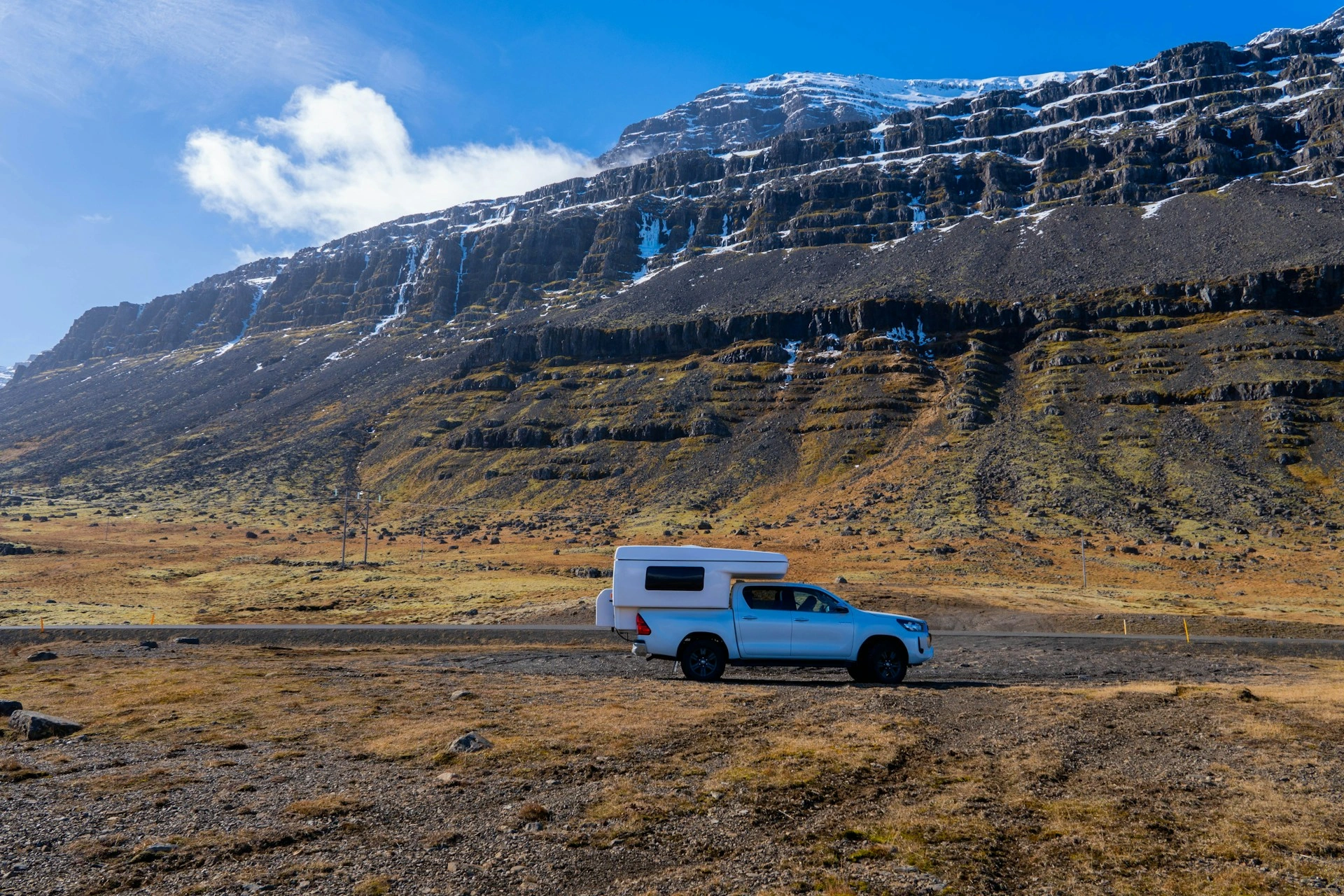
One of the most popular ways to explore Iceland is by embarking on a campervan tour. This allows you the flexibility to travel at your own pace and explore remote areas.
Campervan Tours in August
In August, campervan tours are a fantastic option. The weather is generally favorable, and most roads, including the famous Ring Road, are easily accessible. Campsites are open, and you'll have plenty of daylight to enjoy your journey.
Peak Season Adventures
August is peak season for campervan tours, with many travelers taking advantage of the long days and mild weather. The accessibility of roads and campsites makes it an ideal time for exploring all corners of the island. Whether you're visiting popular attractions or seeking out hidden gems, the freedom of a campervan allows for a personalized adventure.
Social Opportunities
With many tourists on the road, August offers plenty of opportunities to meet fellow travelers. Campsites and popular stops become social hubs, where you can share experiences and tips. This camaraderie adds to the overall experience, fostering connections and creating lasting memories.
Nature and Wildlife Encounters
August is also a prime time for encountering Iceland's diverse wildlife. From puffins and seals to whales, the summer months provide ample opportunities for wildlife watching. Campervans offer the flexibility to visit various locations, increasing your chances of spotting these incredible creatures.
Campervan Tours in September
While September is still a viable option for campervan tours, you should be prepared for changing weather conditions. Some highland roads may start to close by the end of the month due to snow, so it's important to plan your route carefully. Nevertheless, the beauty of the autumn landscape, coupled with fewer tourists, makes September a uniquely appealing time for a campervan adventure.
Adapting to the Elements
September campervan tours require a bit more adaptability, as the weather can be more unpredictable. Having a flexible itinerary allows you to adjust plans based on conditions. Despite the potential challenges, the stunning autumn landscapes make it worthwhile.
Solitude and Reflection
With fewer tourists on the road, September offers a more solitary experience. This can lead to moments of reflection and a deeper connection with Iceland's natural beauty. The quieter atmosphere allows for an intimate exploration of the island's wonders.
Special Autumn Experiences
September provides unique experiences that aren't available in August. The changing colors and the possibility of witnessing the Northern Lights add a special touch to your journey. Campervans provide the perfect vantage point for enjoying these seasonal spectacles, allowing you to immerse yourself in the magic of Iceland.

by Adam Bixby (https://unsplash.com/@adambixby)
What to Pack for Your Trip
Regardless of whether you visit in August or September, packing appropriately is key to a comfortable trip. Here are some essentials:
Layering Essentials
The key to staying comfortable in Iceland is to dress in layers. This allows you to adjust your clothing according to the changing weather conditions. Start with a moisture-wicking base layer, add insulating layers, and top it off with a waterproof outer layer to stay warm and dry.
Waterproof and Windproof Gear
Rain is common in both months, so waterproof jackets and pants are essential. Additionally, the wind can be quite strong, making windproof clothing a wise choice. Investing in quality gear will ensure that you're well-protected against the elements.
Warm Accessories
Even in August, nights can be cold, so pack warm clothing, including hats and gloves. These accessories are crucial for keeping extremities warm, especially if you plan on spending time outdoors in the early mornings or late evenings.
Footwear for All Terrains
With Iceland's rugged terrain, a good pair of hiking boots is recommended. Sturdy, waterproof footwear will provide the support and protection needed for exploring diverse landscapes, from rocky paths to muddy trails.
Average Temperature Comparison: August vs September
To provide a clearer picture, here's a comparison of the average temperatures in Iceland in August and September:
| Month | Daytime Highs (°F/°C) | Nighttime Lows (°F/°C) | |------------|------------------------|------------------------| | August | 50°F - 59°F (10°C - 15°C) | 41°F - 50°F (5°C - 10°C) | | September | 45°F - 54°F (7°C - 12°C) | 37°F - 45°F (3°C - 7°C) |
Interpreting the Data
The temperature differences between August and September highlight the transition from late summer to early autumn. Understanding these variations can help you plan activities and pack accordingly. While August offers warmer days, September brings cooler, more variable weather that requires flexibility.
Implications for Travel Plans
These temperature comparisons are crucial when planning your itinerary. August's milder weather is perfect for extensive outdoor activities, while September's cooler temperatures encourage a more relaxed pace. Knowing what to expect allows for better preparation and a more enjoyable trip.
Seasonal Highlights
Each month offers unique seasonal highlights. August provides the last of the summer's vibrant greenery, while September ushers in the first hints of autumn's colorful transformation. Choosing the right month depends on your preference for either summer's warmth or autumn's tranquility.
Conclusion
Deciding whether to visit Iceland in August or September depends largely on your preferences and what you hope to experience. August offers milder weather and longer days, ideal for outdoor activities and exploring the highlands. September, on the other hand, brings the beauty of autumn and the chance to experience Iceland with fewer crowds.
Timing Your Visit
Consider your priorities when timing your visit. If you prefer lively environments and long daylight hours, August is the ideal choice. For those seeking a quieter experience and the chance to see the Northern Lights, September offers a unique charm.
Preparing for Your Adventure
Regardless of when you choose to visit, preparation is key. Understanding the weather patterns and packing appropriately will ensure a comfortable and enjoyable journey. Embrace the unpredictability and let Iceland's natural wonders captivate you.
Embracing Iceland's Magic
Iceland's breathtaking landscapes, rich culture, and unique experiences await. So pack your bags, prepare for an adventure, and get ready to explore the wonders of this incredible island nation. Each month offers its own magic, inviting you to discover the beauty and mystery that make Iceland a truly unforgettable destination.