

Top 10 Campsites to Explore in Iceland
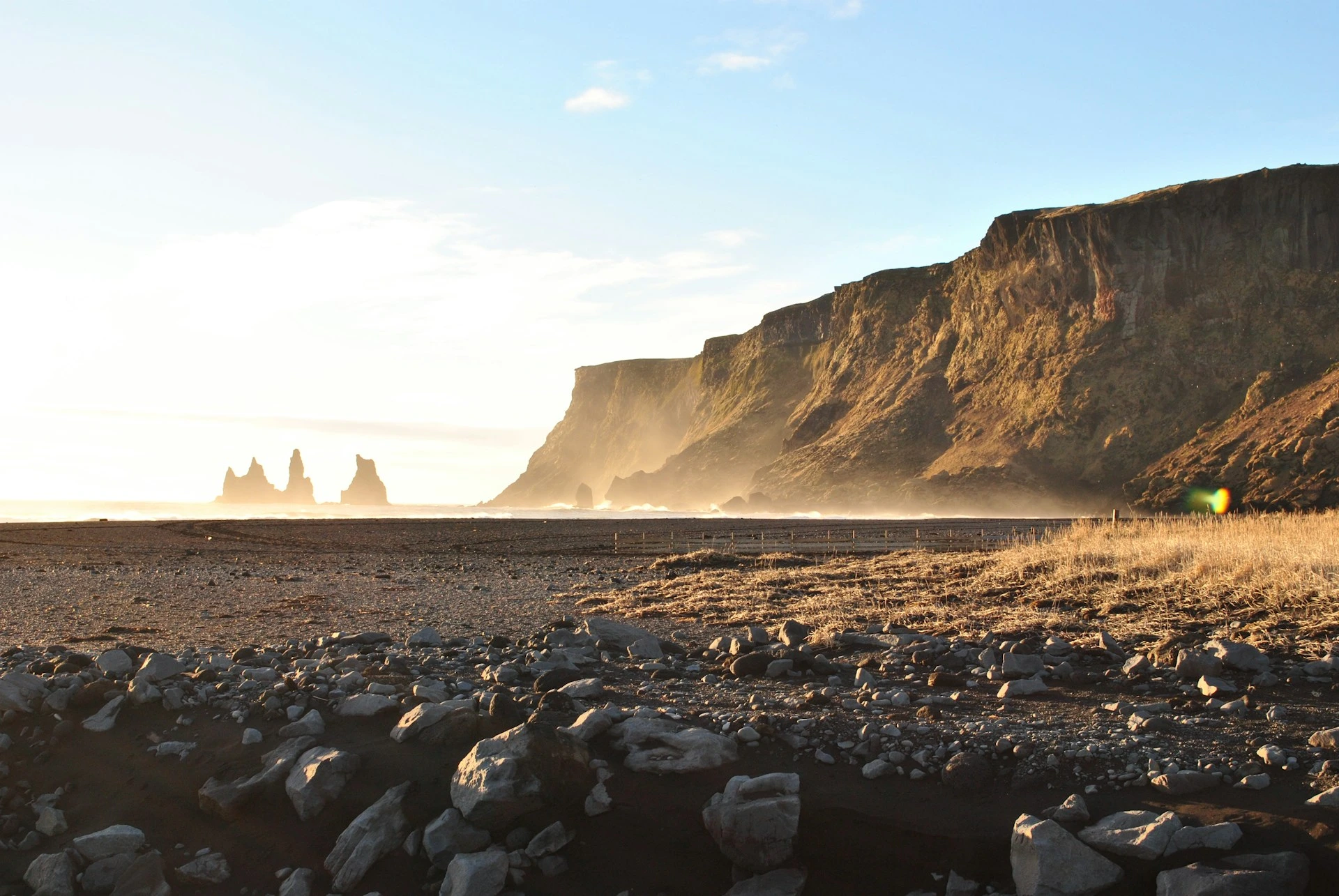
Iceland is a land of stunning natural beauty. Its landscapes are diverse, featuring glaciers, volcanoes, and waterfalls. Camping in Iceland offers a unique way to experience this breathtaking scenery.
Imagine waking up to the sound of a waterfall or the sight of a glacier. Camping allows you to immerse yourself in Iceland's natural wonders. It's an adventure that promises unforgettable memories.
The country boasts a wide range of campsites. From remote wilderness spots to well-equipped sites, there's something for every camper. Each campsite offers its own unique charm and amenities.
Many campsites in Iceland are open year-round. However, some are seasonal, typically welcoming campers from June to September. This variety ensures options for every type of traveler.
The Icelandic Camping Card is a popular choice for many. It provides access to multiple campsites at a reduced cost. This card can be a great way to save money while exploring.
Camping in Iceland is not just about the sites. It's about the experiences and the connections you make with nature. The Northern Lights, for instance, can often be seen from campsites during winter.
Respect for the environment is crucial. Campers should follow Leave No Trace principles to protect Iceland's fragile ecosystem. This ensures that future generations can enjoy the same beauty.
Booking in advance is recommended, especially during peak tourist season. This ensures you secure a spot at your desired campsite. Planning ahead can make your camping trip smoother.
Whether you're an adventure seeker or a nature lover, Iceland's campsites offer something special. They provide a gateway to explore the country's incredible landscapes. Prepare for an unforgettable camping adventure in Iceland.
Why Go Camping in Iceland?
Iceland's allure lies in its untouched wilderness. Camping provides an intimate connection with the island's pristine landscapes. Glacial fields, volcanic terrain, and cascading waterfalls become your backyard.
The flexibility of camping is unmatched. Create an itinerary based on the natural wonders you wish to explore. Camp near a glacial lagoon or within sight of an active volcano.
Budget-savvy travelers appreciate the affordability of camping. Accommodation costs in Iceland can be high. Pitching a tent is often the most economical option for staying in the country.
Camping fosters a deeper appreciation for nature. Feel the crisp air, listen to wildlife, and see the stars unimpeded by city lights. It's an immersive experience unmatched by traditional hotels.
The camaraderie among campers is another draw. Share stories around a campfire and gather tips from seasoned adventurers. Iceland’s camping spots cultivate a sense of community.
Opportunities for outdoor activities abound. Hike to hidden waterfalls, bathe in natural hot springs, and trek through colorful rhyolite mountains. Iceland is an adventurer’s paradise.
Consider these compelling reasons for camping in Iceland:
Stunning, varied landscapes
Flexible travel plans
Cost-effective accommodation
Connect with nature
Build community with fellow campers
Access to unique outdoor activities
Witnessing the Northern Lights from a secluded campsite is magical. Winter campers might be rewarded with this astonishing phenomenon. This experience alone can be worth the camping venture.
In essence, camping in Iceland allows you to truly live within the landscape. Embrace the elements and appreciate Iceland's raw beauty firsthand. It's an experience that enriches both the body and soul.
Essential Tips for Camping in Iceland
Successful camping in Iceland requires preparation. The island's weather is known for its unpredictability. A sunny morning can quickly turn into a rainy afternoon.
Choose quality camping gear. Waterproof tents and clothing are essential. Ensure your sleeping bag is rated for cold temperatures, even in summer.
Understand the campsite rules. Wild camping is mostly prohibited. Use designated campsites to respect the environment and local regulations.
The Icelandic Camping Card can be cost-effective. It offers access to multiple campsites for a set fee. Evaluate your travel plans to see if it suits your needs.
Prepare meals wisely. Campers can cook at most sites, but bring essentials. While some campsites have restaurants nearby, self-prepared meals ensure flexibility.
Plan your daily routes with care. Distances may appear short but involve rugged terrain. Fuel up your vehicle and account for travel time between sites.
Be aware of local wildlife and natural hazards. Sheep roam freely, and sudden geyser eruptions are possible. Maintaining a safe distance from both is wise.
Consider these crucial tips:
Pack layers for variable weather
Choose reliable, waterproof gear
Use designated camping areas
Calculate potential savings with the Camping Card
Cook onsite for convenience
Plan and prepare for the road
Stay cautious of wildlife and natural environments
Exploit day-long summer light for extended adventures. Iceland's long days in summer provide more time to explore its natural beauty. Make the most of this advantage during your trip.
Finally, respect nature's fragility. Leave no trace of your visit, taking all litter with you. This practice is vital to preserve Iceland’s stunning landscapes for future visitors.
Iceland Camping Card: Is It Worth It?
The Icelandic Camping Card can be a great asset for travelers. It offers prepaid access to numerous campsites across the island.
This card works well for extended stays. Frequent campers save money, particularly those visiting multiple sites. It's valid for two adults and up to four children per card.
Consider the card’s coverage carefully. It includes many campsites, yet not all. Verify that your planned destinations participate.
Evaluate your itinerary. If you're touring the whole island, it can provide significant savings. Use it for accommodation while traversing Iceland’s diverse regions.
However, short-term visitors may find less value. If your trip focuses on specific regions, gauge whether individual campsite fees exceed the card's cost.
Benefits of the Iceland Camping Card:
Access to a network of campsites
Cost-effective for long trips
Convenient for families or groups
Works well for full island tours
Booking availability is vital. Some campsites might fill up quickly in peak seasons, so plan ahead and check space beforehand.
Ultimately, the decision depends on your camping schedule. Analyze how the card fits into your journey to decide if it suits your travel strategy. Take advantage of its savings if your plans match the locations covered.
What to Pack for Camping in Iceland
Packing for an Iceland camping trip requires careful consideration. Iceland’s weather is famously unpredictable, so prepare for diverse conditions.
Focus on layers to adapt to temperature changes. A waterproof outer layer is crucial, given the frequent rain. Warm base layers ensure comfort in cooler temperatures.
Reliable gear is vital. A sturdy tent, warm sleeping bag, and durable sleeping mat can enhance comfort. Protect your equipment from wind and moisture.
Don't forget essentials like a portable stove and cooking utensils. Easy-to-cook meals are ideal in remote areas. Snacks are helpful for long hiking days.
Pack the right accessories. A travel-friendly first aid kit, flashlight, and map are important. Iceland’s natural landscapes can be harsh, so safety is paramount.
Key items to pack:
Layered clothing, including waterproofs
Robust camping gear (tent, sleeping bag, mat)
Cooking equipment and easy meals
Navigation tools (map, compass)
Safety items (first aid, flashlight)
Finally, include eco-friendly supplies. Bring reusable water bottles and biodegradable products to minimize your environmental impact. Respect Iceland’s pristine wilderness during your adventure.
Top 10 Campsites in Iceland
Iceland offers a mix of spectacular campsites. From peaceful spots in the Eastfjords to bustling sites near popular attractions, camping in Iceland promises unforgettable experiences. Whether you seek solitude among mountains or a convenient base for day trips, you'll find a perfect spot.
Discover diverse landscapes as you camp around the island. Encounter stunning waterfalls, geothermal features, and remote vistas. Choose from sites rich in amenities or rustic retreats for a genuine wilderness experience.
Top 10 Campsites List:
Þingvellir National Park Campsite
Skaftafell Camping (Vatnajökull National Park)
Landmannalaugar Campsite (Highlands)
Vogar Travel Service (Mývatn)
Kirkjubæjarklaustur Campsite (South Coast)
Seyðisfjörður Campsite (Eastfjords)
Húsafell Campsite (West Iceland)
Ísafjörður Campsite (Westfjords)
Stykkishólmur Campsite (Snæfellsnes Peninsula)
Hellissandur Campsite (Snæfellsnes Peninsula)
1. Þingvellir National Park Campsite
Þingvellir, a UNESCO World Heritage site, offers a campsite with incredible views. It's a place where natural beauty and history intersect.
Campers find themselves surrounded by stunning scenery. The park provides a unique chance to explore tectonic plates and crystal-clear waters.
Amenities cater to comfort. Expect clean restrooms, showers, and an information center. Nearby, hiking trails and dive sites beckon outdoor enthusiasts.
Beyond camping, Þingvellir holds historical significance. It was the site of Iceland's first parliament, adding cultural depth to your stay.
Key features of Þingvellir campsite:
Restroom and shower facilities
Spectacular geological formations
Proximity to hiking and diving areas
Rich historical significance
In the evening, the Northern Lights may grace your sky, painting a celestial picture. The park's accessibility from Reykjavík makes it a convenient destination for campers.
2. Skaftafell Camping (Vatnajökull National Park)
Skaftafell Campground, within Vatnajökull National Park, is a camper's paradise. It offers dramatic views of glaciers and lush vegetation.
The site is well-equipped, with facilities including restrooms, showers, and a visitor center. It's perfect for both day-trippers and overnight guests.
Hiking opportunities abound here. Explore routes like the popular Svartifoss trail, leading you to breathtaking cascades.
Visitors enjoy Skaftafell’s rich biodiversity. Birdwatchers will find numerous species nesting amid the park’s landscapes.
Key attractions of Skaftafell camping:
Proximity to Svartifoss waterfall
Diverse hiking trails
Glacial views and encounters
Extensive visitor facilities
Its location makes Skaftafell a strategic stop for those exploring the South Coast. Campers can easily access glacier hikes and ice cave tours.
3. Landmannalaugar Campsite (Highlands)
Landmannalaugar is a highlands gem, known for its colorful mountains and geothermal springs. The campsite blends rugged beauty with adventure.
Camping here means embracing nature. The site is remote, yet provides essential amenities like restrooms and showers.
Geothermal pools are a highlight. Campers enjoy soaking in natural hot springs, surrounded by stunning rhyolite peaks.
Hiking trails are abundant. Routes like the Laugavegur trek offer amazing views and challenging paths for seasoned explorers.
Highlights of Landmannalaugar camping:
Natural geothermal hot springs
Scenic hiking trails and vistas
Remote and rugged beauty
Basic camping facilities
Landmannalaugar's remoteness demands preparation. Ensure you bring all necessary supplies, as services are limited.
4. Vogar Travel Service (Mývatn)
Vogar Travel Service, near the Mývatn region, provides a great base for exploring volcanic wonders. Its location promises scenic beauty and relaxation.
Camping here offers access to facilities like a well-equipped kitchen, restrooms, and laundry services. It caters to comfort and convenience.
Nearby, Mývatn Nature Baths provide a soothing retreat. The natural, mineral-rich waters are a must-visit for campers seeking relaxation.
Explore the surrounding lava fields and geothermal landscapes. Visit attractions like Dimmuborgir’s unique rock formations.
Essential aspects of Vogar camping:
Close to Mývatn Nature Baths
Well-equipped amenities
Access to volcanic landscapes
Proximity to hiking paths
Vogar's location is ideal for those looking to combine serenity with adventure. The nearby town offers additional services and dining options.
5. Kirkjubæjarklaustur Campsite (South Coast)
Kirkjubæjarklaustur campsite is centrally located on Iceland’s South Coast. Its setting offers a strategic base for exploring famous waterfalls and beaches.
The campsite provides comfort with showers and kitchen facilities, catering to both short stays and extended visits.
From here, visitors access stunning sites like Fjaðrárgljúfur canyon. The dramatic landscapes promise memorable photographic opportunities.
Key highlights include:
Access to South Coast attractions
Comfortable campsite amenities
Nearby canyons and waterfalls
Rich photographic opportunities
Beyond natural beauty, the area holds historical lore, adding cultural layers to your camping experience. Tourists enjoy local Icelandic cuisine in nearby establishments.
6. Seyðisfjörður Campsite (Eastfjords)
Seyðisfjörður campsite sits amidst the picturesque Eastfjords. It’s surrounded by mountains, waterfalls, and a vibrant artistic community.
The campsite offers essential facilities like restrooms and a modest cooking area. It’s a peaceful base with easy access to nature.
Explore the town, known for its colorful buildings and cultural events. Visit art studios and enjoy local flavors at nearby cafes.
Discover Seyðisfjörður’s natural wonders, including hiking paths leading to cascading waterfalls and scenic vistas.
Highlights of Seyðisfjörður camping:
Artistic and cultural attractions
Cozy campsite facilities
Proximity to waterfalls and trails
Vibrant community atmosphere
Its location allows for easy ferry access, making it a gateway for international adventurers arriving by sea.
7. Húsafell Campsite (West Iceland)
Húsafell campsite is a treasure trove of activities and natural beauty. Located in West Iceland, it’s a hub for adventure enthusiasts.
The campsite is well-equipped with restrooms, showers, and cooking facilities, ensuring a comfortable stay.
Visitors can explore nearby attractions like the Hraunfossar waterfalls and Vidgelmir lava caves. The region offers diverse activities for all ages.
A highlight is the opportunity to soak in hot tubs under starry skies, often graced by the Northern Lights during winter months.
Highlights of Húsafell camping:
Diverse nearby attractions
Comfortable amenities for campers
Hot tubs and geothermal features
Northern Lights visibility
Húsafell provides a balance of tranquility and excitement, a perfect retreat for families and solo travelers alike.
8. Ísafjörður Campsite (Westfjords)
Nestled in the Westfjords, Ísafjörður campsite offers stunning fjord views and unique cultural experiences. It’s a picturesque spot for adventurers.
The campsite features essential facilities, including restrooms and a small kitchen area, ensuring a pleasant stay.
Explore the town’s maritime history, charming museums, and local art scenes. Ísafjörður’s rich cultural tapestry offers plenty to discover.
Outdoor activities abound. Hike the surrounding mountains or embark on kayaking tours for unique fjord perspectives.
Key highlights of Ísafjörður camping:
Majestic fjord landscapes
Cultural and historical attractions
Hiking and kayaking opportunities
Basic campsite facilities
Its remote location makes for an extraordinary escape into Iceland’s wild, untouched beauty.
9. Stykkishólmur Campsite (Snæfellsnes Peninsula)
Stykkishólmur campsite on the Snæfellsnes Peninsula is known for picturesque harbors and rich marine life. It’s a delightful camping destination.
The site provides facilities like clean restrooms and cooking areas, ensuring a comfortable experience for all visitors.
Discover nearby attractions, from the towering Snæfellsjökull glacier to scenic coastal hikes, each promising stunning views and encounters with wildlife.
Highlights include:
Scenic coastal and mountain trails
Comfortable and clean amenities
Proximity to maritime attractions
Vibrant local culture and cuisine
Stykkishólmur’s charm and accessibility make it a favorite among campers exploring the peninsula's wonders.
10. Hellissandur Campsite (Snæfellsnes Peninsula)
Hellissandur campsite offers a captivating blend of nature and solitude on the Snæfellsnes Peninsula. It’s ideal for those seeking quiet escapes.
With basic facilities, including restrooms and a cooking area, the site supports a simple yet fulfilling camping experience.
Explore nearby Snæfellsjökull National Park for breathtaking landscapes and geological marvels. Marvel at coastal views and walk along expansive beaches.
Important features of Hellissandur camping:
Peaceful and secluded atmosphere
Close to Snæfellsjökull attractions
Basic yet sufficient amenities
Access to beaches and trails
Hellissandur is perfect for those wanting to disconnect and immerse themselves in Iceland’s natural splendor.
Other Notable Campsites in Iceland
Iceland's landscape is dotted with hidden gems for campers to discover. Beyond the top 10, several other campsites offer remarkable experiences.
These sites, though less known, provide unique settings and plenty of adventures. They are worth considering in your Iceland itinerary.
Here are a few additional campsites to explore:
Þórsmörk Campsite: Nestled in a valley, it offers lush greenery and striking landscapes, ideal for hikers.
Grindavík Campsite: Close to the famous Blue Lagoon, it's a convenient location for travelers seeking geothermal relaxation.
Þakgil Campsite: Known for its dramatic canyons and serene atmosphere, it offers a peaceful escape.
Each of these campsites presents distinctive features that could enhance your camping experience. With the natural beauty of Iceland all around, any campsite you choose will be sure to provide memorable moments. These spots invite you to explore beyond mainstream routes and immerse in Iceland's diverse ecosystems.
Rules, Etiquette, and Environmental Responsibility
Camping in Iceland comes with a responsibility to preserve its natural environment. Respect for the land and its fragile ecosystems is paramount for all visitors.
When camping, follow designated paths and use marked campsites. This helps protect plant life and reduces erosion in sensitive areas.
Proper waste management is crucial. Always pack out what you pack in, and utilize available waste disposal and recycling facilities.
To ensure a positive impact, remember these key principles:
Adhere to Leave No Trace guidelines: Minimize your footprint by leaving campsites as you found them.
Respect wildlife: Maintain a safe distance and avoid feeding animals.
Limit campfire use: Fires can damage habitats; use cooking equipment instead.
Be considerate of others: Keep noise levels down and share space responsibly.
By embracing these practices, campers help safeguard Iceland’s stunning landscapes for future generations. Visitors play a crucial role in maintaining the island’s pristine condition. Respect and mindfulness enrich the camping experience for everyone.
Best Time to Camp in Iceland
Choosing the right time to camp in Iceland enhances your adventure. The summer months, from June to August, are ideal for most campers. During this time, campsites offer extended daylight with warmer temperatures.
In summer, you can enjoy the Midnight Sun. This unique phenomenon allows for longer exploration hours, perfect for hiking and sightseeing.
However, each season offers its unique charm:
Spring (April-May): Snow starts to melt, opening more trails.
Autumn (September-October): Witness vibrant fall colors and quieter campsites.
Winter (November-March): Fewer campsites open, but offers a chance to see the Northern Lights.
Determine your priorities: warmer weather or witnessing Iceland's enchanting winter. Each season presents distinct experiences.
Frequently Asked Questions About Camping in Iceland
Is wild camping allowed in Iceland? Wild camping is generally not permitted. Instead, campers should use designated sites for their stays.
What are the basic amenities at Icelandic campsites? Most sites offer toilets, showers, and sometimes kitchen facilities. Some campsites even provide laundry services and electricity.
Do I need to book campsites in advance? During peak season, it's wise to book in advance. Popular campsites can fill up quickly due to high demand.
Which season is best for viewing the Northern Lights? Winter months provide the best chance to see the Northern Lights. From September to March, the night skies often light up.
Essential items for camping in Iceland:
Warm clothing
Waterproof gear
Cooking supplies
Sleeping bag suitable for cold
Map and compass
Camping in Iceland offers a unique perspective on the country's beauty. Planning and knowing these answers enhance the journey.
Final Thoughts: Planning Your Iceland Camping Adventure
Camping in Iceland is a remarkable way to immerse yourself in its stunning landscapes. With the right preparation, your trip can be both safe and memorable.
Be ready for varying weather and respect local regulations. Always use designated campsites and follow Leave No Trace principles to protect this fragile environment.
Here’s a quick checklist for your adventure:
Pack smart: Include waterproof clothing and sturdy gear.
Plan your route: Know the campsites and attractions on your path.
Stay informed: Check weather updates and road conditions regularly.
By planning thoughtfully, you can create an unforgettable camping adventure in Iceland's awe-inspiring wilderness. Enjoy the unique experience and timeless beauty!