

Essential Tips for Renting a Car in Iceland
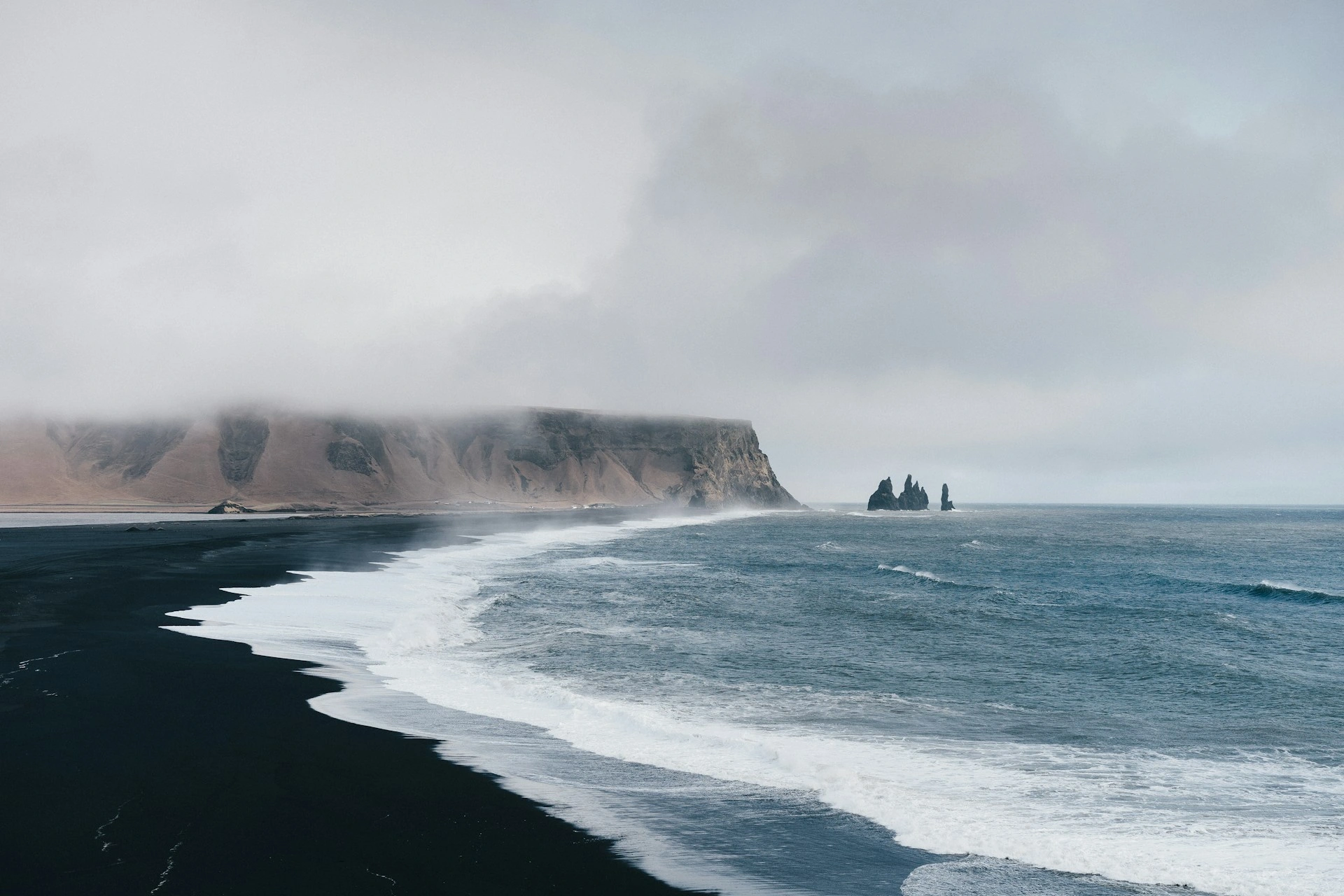
Embarking on a road trip across the Land of Fire and Ice is an adventure unlike any other. From the thundering waterfalls of the South Coast to the steaming geothermal vents of the north, having your own set of wheels grants you the ultimate freedom to explore this magnificent country at your own pace. If you are planning an unforgettable trip, securing a reliable car hire Iceland style is the most important decision you will make.
However, driving here is not like driving in most other parts of the world. The weather can change in the blink of an eye, the terrain varies from smooth tarmac to deeply rutted volcanic tracks, and sheep frequently claim right of way. Navigating the nuances of an Iceland car rental requires preparation, an understanding of local laws, and a healthy respect for nature.
Whether you are debating which vehicle to choose, wondering about the intricacies of local insurance, or trying to understand the rules of the rugged highlands, this comprehensive guide covers everything you need to know. From the moment you pick up your keys to the second you return them, these essential tips will ensure your road trip is safe, spectacular, and stress-free.
1. Choosing the Perfect Vehicle for Your Adventure
The most common question travelers ask when planning a car rental Iceland trip is what type of vehicle they actually need. The answer entirely depends on your itinerary, the season, and your budget.
Do I Need a 4x4 for the Ring Road?
A frequent dilemma for first-time visitors is whether to splurge on a four-wheel-drive vehicle. So, do I need a 4x4 for the Ring Road? The short answer is: not necessarily in the summer, but highly recommended in the winter.
Route 1, the famous Ring Road that circles the entire island, is fully paved and excellently maintained. If you are visiting between late May and September and plan to stick primarily to this main route, the Golden Circle, and standard paved offshoots, a standard 2WD economy or compact car is perfectly adequate. It will save you money on both the rental rate and fuel.
However, if you are visiting between October and April, a 4x4 is strongly advised. Icelandic winters are notoriously unpredictable, bringing sudden snowstorms, high winds, and icy roads. A 4x4 provides better traction, higher ground clearance for snowdrifts, and a crucial sense of security. Furthermore, if you plan to visit the Westfjords, the East Fjords in early spring, or venture into the remote highlands at any time of year, a 4x4 is absolutely mandatory.
Campervan vs Car Rental for Camping
Iceland’s camping culture is legendary, offering an affordable way to experience the pristine wilderness. When deciding between a campervan vs car rental for camping, you must weigh comfort against mobility.
A campervan is practically a hotel room on wheels. It comes equipped with a sleeping area, a built-in heating system (crucial for chilly Icelandic nights), and often a small kitchenette. It offers incredible flexibility; if the weather in the south is terrible, you simply drive north and find a campsite there. You never have to worry about rushing to a pre-booked hotel.
On the other hand, a traditional car rental paired with tent camping is the most budget-friendly option. A standard car is easier to drive, consumes less fuel, and is less affected by strong crosswinds than a high-sided campervan. However, setting up a wet tent in howling wind and horizontal rain—a common Icelandic weather phenomenon—can test the patience of even the hardiest travelers.
Note: Wild camping is strictly illegal in Iceland. Whether you choose a campervan or a tent, you must spend the night at designated, legal campsites.
Manual vs Automatic Transmission for Highland Driving
Most rental fleets in Europe are heavily skewed toward manual transmissions, and Iceland is no exception. Renting a manual car is generally cheaper. However, if you are planning to venture into the rugged interior, you need to consider the debate of manual vs automatic transmission for highland driving.
Driving on rough, unpaved terrain requires intense concentration. You will be navigating around massive potholes, climbing steep gravel inclines, and dodging sharp volcanic rocks. An automatic transmission allows you to keep both hands on the wheel and your focus entirely on the road ahead. You do not have to worry about stalling on a steep, rocky hill or finding the right gear while crawling over uneven terrain. For peace of mind and smoother power delivery in challenging conditions, an automatic 4x4 is often the superior choice for the highlands, even if it costs a bit more.
2. The Booking Process and Requirements
Securing your vehicle is about more than just picking a date and clicking "book." Understanding the timing, requirements, and payment nuances will save you from major headaches at the rental counter.
Timing Your Reservation
Iceland’s tourism has exploded over the last decade, and rental fleets often sell out completely during the peak summer months of July and August. If you are wondering about the best time to book a rental car for summer, the answer is: as early as possible. Booking three to six months in advance is highly recommended. Not only does this guarantee you get the exact vehicle class you need, but it also allows you to lock in much better rates before dynamic pricing algorithms push costs sky-high.
Age Restrictions
Before you finalize your itinerary, be acutely aware of the age requirements for renting a vehicle in Iceland. Most standard rental agencies require the primary driver to be at least 20 years old to rent a 2WD vehicle. For larger SUVs, 4x4s, and premium minibuses, the minimum age is usually raised to 23.
Additionally, drivers under the age of 25 may be subject to a "Young Driver Surcharge," which is a daily fee added to the rental cost. You must also have held your driver's license for a minimum of one full year prior to the rental date. Always check the specific terms and conditions of your chosen rental agency, as policies can vary slightly between companies.
Licensing Requirements
A common point of confusion is documentation. Is international driving permit required in Iceland? For most Western travelers, no. Iceland recognizes driver’s licenses from the United States, Canada, the European Union, the EEA, Australia, and New Zealand.
The primary rule is that your license must be printed in the Latin alphabet and include a photograph, a valid date, and a license number. If your national driver’s license is printed in a non-Latin alphabet (such as Cyrillic, Arabic, or Mandarin), you must present a valid International Driving Permit (IDP) alongside your original license.
Payment and Deposits
When it comes time to pay the deposit at the rental desk, travelers often ask, can I use a debit card for car rental deposit? The traditional rule of car rentals is that a major credit card (Visa, Mastercard, Amex) in the main driver's name is required to hold a security deposit.
In Iceland, some rental companies have adapted to modern banking preferences and will accept a debit card for the deposit. However, there is usually a major catch. To use a debit card, the rental agency will either place a substantial block on your funds (which can take weeks to release) or require you to purchase their top-tier, zero-liability premium insurance package to waive the deposit requirement entirely. To keep your travel funds liquid and your options open, it is always safest to bring a physical credit card with sufficient available credit.
3. Picking Up Your Vehicle at the Airport
For the vast majority of visitors, the journey begins the moment they land at Keflavík International Airport (KEF), located about 45 minutes outside of the capital city, Reykjavík.
Renting a Car at Keflavik Airport
Renting a car at Keflavik Airport is highly convenient and sets you up to hit the road immediately. There are two types of rental agencies at KEF: on-airport and off-airport.
On-airport agencies have their desks situated directly inside the arrivals hall. You simply grab your bags, walk to the counter, and your car is parked right outside in the designated rental lot. This is incredibly fast and convenient, especially after a long, exhausting red-eye flight.
Off-airport agencies are located in a designated rental car area just a few minutes away from the terminal. A free shuttle bus runs continuously between the airport and this rental hub. While it requires a slightly longer process to get to your car, off-airport agencies often offer more competitive daily rates and a wider selection of local, specialized Icelandic rental brands.
The Vehicle Inspection
Regardless of where you pick up the car, the most crucial step before driving away is the vehicle inspection. Iceland’s roads are harsh, and rental cars endure a lot of wear and tear.
Take out your smartphone and record a slow, continuous video walking entirely around the vehicle. Zoom in on the bumper, the windshield, the wheel arches, and the headlights. Capture the roof and the undercarriage as best as you can. Pay special attention to the door hinges—Icelandic winds are notorious for catching car doors and bending them backward, a common and expensive damage claim. Make sure every single scratch, dent, and rock chip is documented on your rental agreement before you leave the lot. This protects you from being held liable for pre-existing damage when you return the vehicle.
4. Navigating Iceland’s Unique Insurance Landscape
When you rent a car anywhere else in the world, the insurance pitch is usually an easy "no." In Iceland, standard insurance rules simply do not apply. The unique geological and meteorological conditions of the island mean that rental cars face threats they would never encounter elsewhere.
Collision Damage Waiver (CDW) and Super CDW
By Icelandic law, all rental cars must include a basic Collision Damage Waiver (CDW) and third-party liability insurance. However, the self-risk (deductible) on a standard CDW is astronomically high, often ranging between $2,000 and $3,000 USD. Upgrading to Super CDW (SCDW) significantly lowers this deductible to a much more manageable level, usually around $500 to $800. Given the high probability of minor incidents in a country with extreme weather, SCDW is highly recommended.
Gravel Protection
Over half of Iceland’s road network consists of unpaved, gravel roads. Even if you plan to stick entirely to the paved Ring Road, you will inevitably encounter roadwork, gravel pull-offs, or unpaved driveways leading to hotels and attractions.
Avoiding gravel damage on unpaved roads is almost impossible without taking precautions. As you drive, the tires kick up loose stones. More dangerously, oncoming vehicles—especially large trucks—can launch rocks at high speeds directly into your windshield or the front bumper, chipping the glass and stripping the paint. Gravel Protection (GP) insurance covers damage to the windshield, headlights, and the front of the car caused by flying rocks. It is one of the most widely used insurance policies in Iceland, and it provides immense peace of mind.
To minimize the risk of gravel damage yourself, always reduce your speed significantly when approaching an oncoming vehicle on a dirt road. Move as far to the right as safely possible to increase the distance between the two cars, and never tailgate the vehicle in front of you.
Sand and Ash Protection
You will likely be offered Sand and Ash Protection (SAAP), which covers damage to the car's paint, windows, and plastics caused by abrasive materials blown by the wind. Many travelers wonder about the sand and ash protection insurance necessity. Is it a scam, or is it real?
It is very real. The southern coast of Iceland is a volatile environment consisting of vast black sand beaches and expansive plains of dry volcanic ash left over from previous eruptions. When the notorious Icelandic wind picks up, it can whip this dry ash and sand into a blinding frenzy. Driving through a sandstorm is akin to taking a high-powered sandblaster to your vehicle. In extreme cases, an entire side of a rental car can be stripped down to the bare metal in less than an hour, resulting in a total paint job replacement that can cost upwards of $10,000. Standard CDW absolutely does not cover this damage.
If you are traveling the South Coast during the shoulder seasons (spring and autumn) when the ground is dry and the winds are fierce, SAAP is a wise investment.
What Is Never Covered?
It is vital to understand that no insurance policy in Iceland covers certain types of negligence. Damage to the undercarriage or chassis of the vehicle is virtually never covered. Damage caused by driving into a river or body of water is strictly excluded. Driving while intoxicated or taking a 2WD vehicle onto an F-road voids all insurance entirely, leaving you responsible for the full cost of the vehicle.
5. Decoding Iceland’s Road Types and Driving Rules
Driving in Iceland requires your full, undivided attention. The roads are beautifully scenic, but they present hazards that demand respect and preparation.
The Ring Road (Route 1)
The Ring Road is the main artery of Iceland, stretching for 1,332 kilometers (828 miles) around the island. It is mostly a two-lane paved road, though it is quite narrow by North American standards and often lacks a hard shoulder. The speed limit is typically 90 km/h (55 mph) in rural areas, dropping to 70 km/h or 50 km/h as you approach towns and tunnels. Speeding is heavily penalized in Iceland, and speed cameras are hidden in tunnels and disguised as ordinary roadside boxes.
Understanding F-Roads
For the adventurous, Iceland’s highlands beckon. Accessing these wild, interior landscapes requires traveling on F-roads (Fjallvegir). Knowing how to drive on Icelandic F-roads is essential for your safety and the preservation of your vehicle.
First and foremost, it is illegal to drive a 2WD vehicle on an F-road. You must have a designated, insured 4x4. F-roads are not traditional roads; they are rough, unmaintained dirt and rock tracks carved through the volcanic wilderness. They are characterized by deep ruts, massive potholes, steep, blind inclines, and unbridged river crossings.
F-roads are closed for the vast majority of the year due to snow and impassable conditions. They typically open in late June or early July and close again in September. Always check the official website of the Icelandic Road and Coastal Administration (road.is) to confirm an F-road is open before attempting to drive it.
When driving an F-road, speed is your enemy. You will likely average no more than 30 to 40 km/h. Keep a tight grip on the steering wheel, as sudden drops or large rocks can easily jerk the wheel from your hands. Always pack emergency supplies, extra food, and warm clothing, as cell phone reception in the highlands is practically nonexistent, and it could take hours for another vehicle to pass by if you break down.
Mastering River Crossings
The most intimidating aspect of F-road driving is navigating unbridged rivers. Understanding river crossing safety for off-road vehicles is literally a matter of life and death, as well as preserving your rental contract. As mentioned earlier, water damage to the engine or electrical systems is completely uninsurable.
If you arrive at a glacial river, never just plunge in. Stop your vehicle, get out, and assess the situation.
Check the depth: If you cannot see the bottom, or if the water is flowing rapidly and looks deeper than the midpoint of your tires (roughly knee-height), do not cross. Wading into the water with bare legs or water shoes is the best way to test the depth and current strength.
Timing matters: Glacial rivers are fed by melting ice. They are lowest in the early morning and swell significantly by late afternoon on warm or rainy days. A river you crossed easily at 9:00 AM might be an impassable torrent by 4:00 PM.
Engage the right gear: Shift into 4x4 Low. Enter the water slowly—walking pace—to avoid splashing water up into the engine's air intake, which will instantly destroy the motor.
Drive with the current: Enter the water and steer slightly downstream diagonally. This uses the current to help push the car across, rather than fighting the rushing water head-on. Keep a steady, constant momentum; never stop in the middle of a river, and never change gears while in the water.
Wait for company: Never cross a significant river alone. Wait for another vehicle to arrive so you can watch their line through the water and have someone to tow you out if things go wrong.
Icelandic Traffic Signs and Regulations
Familiarizing yourself with Icelandic traffic signs and regulations will keep you out of trouble with local law enforcement and prevent accidents.
Einbreið Brú (Single-Lane Bridge): Iceland has hundreds of single-lane bridges, even on the main Ring Road. The rule is simple: the vehicle that arrives at the bridge first has the right of way. However, always slow down and make eye contact with the approaching driver to ensure they are yielding.
Blindhæð (Blind Hill): This sign indicates a steep crest in the road where you cannot see oncoming traffic. Slow down drastically and stay as far to the right as possible.
Malbik Endar (Paved Road Ends): This crucial sign warns that the smooth asphalt is about to abruptly transition into loose gravel. If you hit this transition at 90 km/h, you will lose control and roll the car. Slow down immediately when you see this sign.
Sjálfvirk Myndavél (Speed Camera Ahead): A blue sign with a white camera icon. Heed this warning; speeding tickets in Iceland can easily exceed $500 USD and will be charged directly to your credit card by the rental agency, along with an administrative fee.
Off-Road Driving is Illegal: This is the golden rule of Iceland. Driving off a marked road or track is strictly forbidden and carries catastrophic fines. It destroys the fragile volcanic moss, which takes decades to heal. Always stay on marked paths.
Beware the Sheep
During the summer, hundreds of thousands of Icelandic sheep roam free across the countryside. They frequently graze right on the shoulder of the road. If you see sheep near the road, slow down immediately. A common danger is when a mother sheep is on one side of the road and her lambs are on the other; if startled, the lambs will blindly sprint across the asphalt to reach their mother. Hitting a sheep is devastating, and you are financially liable to the farmer for the loss of the animal.
6. Tackling the Icelandic Winter
If you are brave enough to tackle Iceland between October and April, you are in for a treat of Northern Lights, frozen waterfalls, and dramatic snowy landscapes. However, winter driving here is an extreme sport that requires the right equipment and mindset.
Winter Tires and Equipment
By law, rental cars must be equipped with winter tires during the colder months. However, for true peace of mind, you should insist on studded tires for winter driving conditions. Studded tires have small metal pins embedded in the rubber, providing unparalleled grip on thick, sheer black ice, which frequently coats Icelandic roads. The legal period for using studded tires is from November 1st to April 15th.
Alongside proper tires, ensure your rental car comes equipped with an ice scraper and a snow brush. It is illegal to drive with snow covering your windows, mirrors, or headlights.
Weather and Road Condition Apps
In winter, your itinerary must be flexible. The weather dictates your plans, not the other way around. Every morning before you start the car engine, you must check two essential websites:
Vedur.is: The official Icelandic Meteorological Office website. Look for high wind warnings (anything above 15 m/s or 35 mph can destabilize a car, and anything above 25 m/s means you must stay indoors).
Road.is: The Icelandic Road Administration map. It color-codes every road in the country, showing real-time conditions like "slippery," "snow-covered," "impassable," or "closed." If a road is marked closed (red), it is physically barricaded or completely buried in snow. Driving on a closed road is illegal, voids your insurance, and endangers the lives of search and rescue teams.
7. Fueling Up Across the Land of Fire and Ice
Gas stations in Iceland are more than just places to refuel; they are community hubs, convenience stores, and the best places to grab a cheap, famous Icelandic hot dog (pylsa). However, the mechanics of buying fuel can catch foreigners off guard.
Gas Station Logistics
Outside of major towns like Reykjavík and Akureyri, most gas stations in Iceland are entirely unmanned, automated pumps. This means you must have a credit or debit card with a 4-digit PIN to pay for fuel. American credit cards that only use chip-and-signature will often be rejected at unmanned pumps. Ensure you call your bank before your trip to set up a PIN for your card, or purchase pre-paid fuel cards from gas station convenience stores when they are open.
Another quirk of Icelandic gas pumps is the pre-authorization hold. When you insert your card and select the "Fill Up" (Fullur Tankur) option, the pump will place a temporary hold of roughly $150 to $200 USD on your card. The pump will then only charge you for the fuel you actually took, and the hold will drop off. However, depending on your bank, this hold can take anywhere from a few hours to several days to release. If you are using a debit card with a tight travel budget, selecting a specific monetary amount (e.g., 5,000 ISK) rather than "Fill Up" will prevent these large holds from tying up your funds.
Maximizing Your Budget with Discounts
Fuel in Iceland is imported and heavily taxed, making it some of the most expensive gasoline in the world. To ease the pain at the pump, always utilize the fuel discount cards for major gas stations that are almost always provided by the rental agency.
When you receive your car keys, you will usually notice a small plastic fob or electronic chip attached to the keychain. This chip corresponds to one of the major fuel networks, such as N1, Olís, or Orkan. Scanning this fob at the pump before inserting your credit card will grant you a discount of a few krónur per liter. While it might seem like small change, over the course of a 2,000-kilometer road trip, these savings add up to the cost of an extra meal or two.
8. Essential Packing Tips for Your Rental Car
Because you will be spending hours inside your vehicle, treating your rental car as your mobile base camp will make the journey significantly more comfortable.
Sunglasses: The sun in Iceland hangs very low on the horizon, especially in spring and autumn. The glare reflecting off wet roads, snow, and the ocean can be blinding. High-quality polarized sunglasses are a major safety requirement.
Car Charger and Mount: You will be relying heavily on your smartphone for GPS navigation (Google Maps works perfectly in Iceland) and checking weather apps. A universal car charger and a reliable dashboard mount will keep your phone powered up and in your line of sight without distracting you.
Reusable Water Bottle: Do not waste your money buying bottled water at grocery stores. Icelandic tap water is some of the purest, most delicious water on earth, filtered naturally through lava rocks. Keep a large reusable bottle in your cup holder and refill it at any gas station, restaurant, or even directly from clear, fast-flowing glacial streams (though use caution and ensure no livestock are upstream).
A Physical Map: While GPS is fantastic, cell service can vanish in the remote highlands, the Westfjords, and deep valleys. A detailed physical map of Iceland is a reliable backup that never runs out of battery.
Snacks: Long stretches of the Ring Road have zero services. Stock up on non-perishable snacks like trail mix, protein bars, and local Icelandic chocolate at Bónus or Krónan (the budget grocery stores) before heading into the wilderness to keep your energy and focus sharp.
9. Top 3 Scenic Drives to Maximize Your Rental Experience
Once you have mastered the rules, secured your insurance, and fueled up, it is time to hit the road. While the entire country is breathtaking, here are three iconic routes where having a rental car truly shines.
1. The Golden Circle
The perfect introduction to Icelandic driving, the Golden Circle is a 300-kilometer loop starting and ending in Reykjavík. The roads are entirely paved, well-marked, and heavily trafficked, making it ideal for a 2WD vehicle. You control the pace as you explore Þingvellir National Park (where you can walk between the North American and Eurasian tectonic plates), the erupting Strokkur geyser at the Geysir Geothermal Area, and the roaring, mist-shrouded Gullfoss waterfall. Having your own car allows you to arrive at these highly popular sites early in the morning or late in the evening, long after the crowded tour buses have departed.
2. The South Coast to Jökulsárlón
Route 1 stretching along the southern coastline is widely considered one of the most beautiful drives in the world. As you leave the capital, the landscape transforms rapidly. You will pass the spectacular Seljalandsfoss (a waterfall you can walk behind) and Skógafoss before reaching the brooding, dangerous beauty of the Reynisfjara black sand beach near the village of Vík.
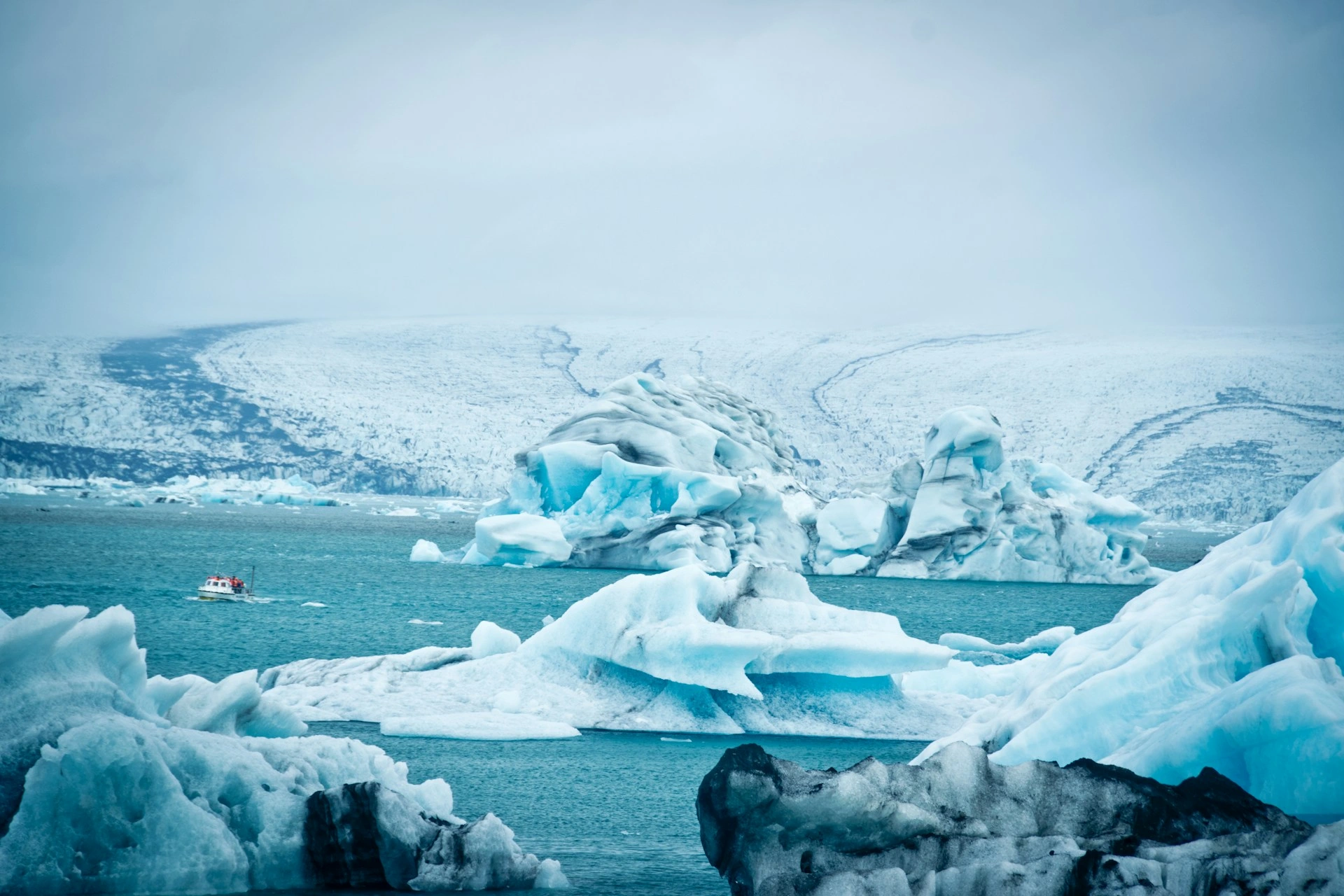
Continuing east, the scenery shifts to vast lava fields covered in thick green moss, eventually giving way to the towering Vatnajökull glacier. The crown jewel of this drive is the Jökulsárlón Glacier Lagoon, where massive, glowing blue icebergs calve off the glacier and float serenely toward the ocean, eventually washing up like diamonds on the adjacent black sand beach. Because this drive is over 370 kilometers one way from Reykjavík, having a rental car allows you to break the journey up with overnight stays in Vík or Höfn.
3. The Snæfellsnes Peninsula
Often referred to as "Iceland in Miniature," the Snæfellsnes Peninsula is located a few hours north of Reykjavík. It features a sampling of everything that makes Iceland famous: a towering stratovolcano capped by a glacier, dramatic sea cliffs, lava tubes, black pebble beaches, and the iconic, arrow-shaped mountain of Kirkjufell. The roads around the peninsula are mostly paved and easily navigable in a standard car, though some rugged side roads leading to hidden lighthouses or remote coves may require a 4x4. It is the perfect two-day detour from the main Ring Road for those seeking a condensed, magical Icelandic experience.
10. Etiquette and Environmental Responsibility
Driving a rental car in Iceland comes with a responsibility to protect the incredible, yet fragile, nature around you.
No Off-Roading: As emphasized earlier, leaving the marked road is the ultimate sin in Iceland. Tire tracks left in volcanic moss can take decades, if not centuries, to heal.
Do Not Stop in the Middle of the Road: The scenery is distracting. You will constantly feel the urge to stop and take photos of a spectacular rainbow, a herd of majestic Icelandic horses, or a towering glacier. However, stopping your vehicle in the middle of a lane, or parking on the narrow shoulder, is incredibly dangerous and causes serious accidents. Always wait until you find a designated scenic viewpoint or a safe gravel pull-off to park your car before taking photos.
Leave No Trace: Never throw trash out of your car window. Pack all your garbage out with you, use public restrooms rather than nature, and leave the environment exactly as you found it.
Conclusion
Securing the right car hire Iceland style is the key that unlocks the true magic of this extraordinary island. The freedom to chase the Northern Lights at 2:00 AM, the ability to pull over and marvel at a hidden waterfall, and the thrill of navigating ancient, volcanic landscapes are experiences that group tours simply cannot replicate.
By choosing the right vehicle for your itinerary, investing in crucial insurance like sand and ash or gravel protection, and treating the unpredictable weather and rugged roads with deep respect, you set yourself up for a flawless journey. Remember to drive defensively, monitor the weather constantly, never ignore the signs, and always leave the fragile environment undisturbed.
With these essential tips in your back pocket, you are ready to grip the steering wheel, press the accelerator, and embark on the road trip of a lifetime through the unforgettable Land of Fire and Ice. Safe travels, and enjoy the ride!