

Do I Need a 4x4 Campervan for Winter in Iceland?
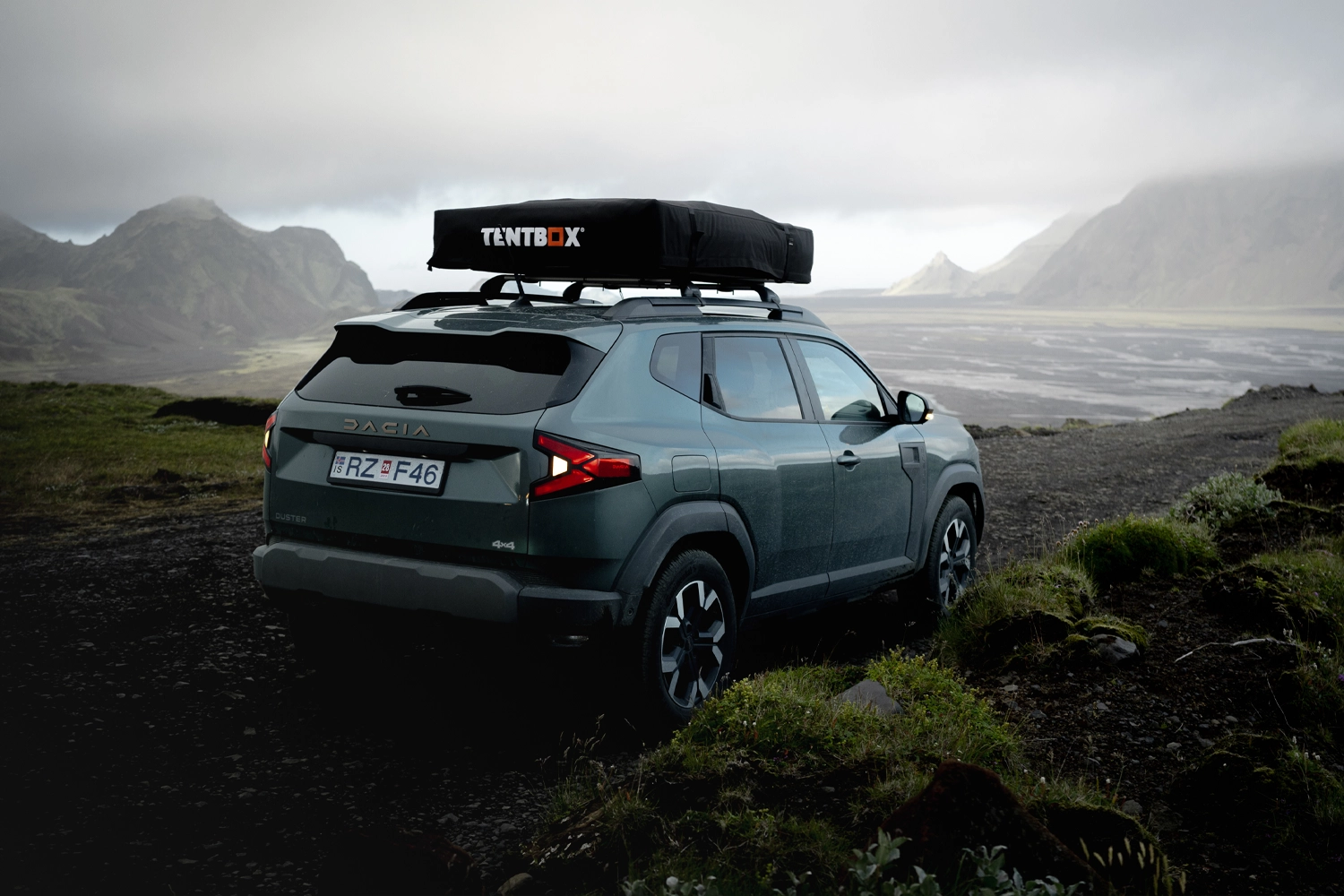
Do I Need a 4x4 Campervan for Winter in Iceland
If you are planning to visit the Land of Fire and Ice between November and April, you are probably asking yourself one major question: Do I Need a 4x4 Campervan for Winter in Iceland?
Embarking on a winter road trip through Iceland is an experience unlike any other. You get to witness frozen waterfalls, explore blue ice caves, and fall asleep under the dancing ribbons of the Northern Lights. But alongside this breathtaking beauty comes a fierce, unpredictable, and entirely unforgiving natural environment.
Choosing the right vehicle is not just a matter of comfort; it is a matter of safety. In this comprehensive guide, we are going to explore the realities of navigating Iceland during its coldest months, break down exactly what kind of vehicle you need, and share practical advice for making your journey as safe and enjoyable as possible.
The Great Debate: Winter Campervan Rental Iceland 4x4 vs 2WD
When travelers start pricing out their trip, they immediately notice a significant price gap between a two-wheel-drive (2WD) camper and a four-wheel-drive (4x4) model. This often leads to the core debate of winter campervan rental iceland 4x4 vs 2wd.
It is incredibly tempting to book a 2WD van to save a few hundred dollars. After all, if you plan to stick to the main paved highways, do you really need power going to all four wheels?
The short answer is that while you can physically drive a 2WD van in winter, a 4x4 campervan is vastly superior and heavily recommended. Iceland’s weather changes with alarming speed. A beautifully clear morning can devolve into a whiteout blizzard by lunchtime. When this happens, a 4x4 campervan gives you the necessary traction to keep moving steadily, pull out of unplowed rest stops, and maintain control on slippery inclines.
This brings us to a frequently asked question: is 2wd sufficient for the ring road in december?
Route 1, the famous Ring Road, is the most well-maintained highway in the country. The Icelandic road authorities work tirelessly to keep it plowed and salted. Technically, a front-wheel-drive van with excellent winter tires can navigate the Ring Road on a calm day. However, "calm days" in an Icelandic December are rare. Snowstorms frequently cover the Ring Road faster than the plows can clear it. In these moments, a 2WD vehicle is much more likely to spin its tires, lose momentum on hills, or get stuck in a pull-off area. For peace of mind alone, upgrading to a 4x4 is one of the smartest investments you can make for your trip.
The Overlooked Advantage: Clearance
When most people think about a 4x4 campervan winter iceland experience, they picture the vehicle’s tires gripping the snow. But one of the most critical advantages of these vehicles has nothing to do with the wheels—it is the height of the chassis.
Having high ground clearance for winter driving safety is absolutely vital. As snow plows clear the main highways, they often push thick banks of heavy, wet snow into the entrances of scenic viewpoints, gas stations, and campsites. If you are driving a low-clearance 2WD van, trying to cross over these snow berms can result in the vehicle bottoming out, leaving your tires spinning uselessly in the air. High ground clearance allows you to straddle ice ruts, push through unplowed campsite entrances, and protect the fragile undercarriage of your campervan from hidden rocks concealed beneath the snow.
Tackling Ice and Snow on the Road
Driving in an Icelandic winter requires a completely different skill set than driving on dry summer pavement. The elements will test your patience and your focus.
One of the most terrifying hazards is driving on black ice in iceland. Black ice is a thin layer of highly transparent ice that blends in perfectly with the dark asphalt beneath it. The road simply looks slightly wet, but it offers zero traction. Black ice is incredibly common in Iceland, especially on bridge decks—which freeze from both above and below—and in areas shadowed by large mountains. When you encounter it, the golden rule is to avoid sudden movements. Do not slam on the brakes and do not jerk the steering wheel. Instead, take your foot off the accelerator, let the vehicle’s gears slow you down, and steer smoothly.
You will also likely encounter deep snow blowing across the highway. Here are a few essential driving tips for icelandic snow drifts:
Maintain Momentum: If you see a snow drift covering your lane, do not brake right before hitting it. Maintain a steady, moderate speed to let the vehicle’s momentum carry you through the soft snow.
Do Not Overcorrect: As the vehicle pushes through a drift, you may feel it pull slightly to one side. Keep a firm grip on the steering wheel but do not aggressively yank it in the opposite direction.
Know When to Stop: If a drift looks too deep or dense, do not risk it. It is better to turn back or wait for a plow than to get buried miles from the nearest town.
The Right Rubber for the Job
Your vehicle's four-wheel-drive system is completely useless if the tires cannot grip the road. This leads to an important discussion regarding studded tires vs snow tires for icelandic roads.
Standard winter snow tires are made from a softer rubber compound that stays flexible in freezing temperatures, featuring deep treads to channel away slush. However, they struggle on smooth, hard-packed ice.
Studded tires, on the other hand, have tiny metal pins embedded into the rubber tread. These metal studs literally bite into the ice, providing mechanical traction where regular rubber would simply slide. Given the prevalence of ice on Icelandic highways, studded tires are vastly superior. Fortunately, reputable rental companies in Iceland automatically equip their vehicles with studded tires during the core winter months. Before you drive off the lot, physically inspect your tires to ensure the studs are present and in good condition.
Respecting the Icelandic Wind
While travelers focus heavily on snow and ice, the wind is often the most dangerous element on the road. The lack of trees in Iceland means that winds whip across the landscape with uninterrupted ferocity, regularly reaching hurricane force during winter storms.
You must deeply consider the safety of high-roof vans in gale force winds. Many popular campervans feature extended, high roofs so you can stand up inside. While this is wonderful for comfort, it turns the side of your van into a massive sail. When a sudden gust of wind hits a high-roof van broadside, it can push the vehicle out of its lane or, in severe cases, blow it completely off the road and roll it over. If wind speeds are predicted to exceed 15 meters per second (roughly 33 mph), driving a high-roof vehicle becomes incredibly dangerous.
This hazard extends beyond driving. You need a strategy for parking a campervan during yellow weather warnings. If a storm is rolling in while you are at a campsite, park the vehicle so its nose is pointing directly into the wind. This minimizes the surface area exposed to the gusts and prevents the van from rocking violently while you try to sleep. Furthermore, be incredibly careful when opening the doors. A sudden gust can catch a partially opened door and violently bend it backward, snapping the hinges—a costly mistake that rental insurance rarely covers.
Information is Your Lifeline
In Iceland, checking the weather and road conditions is not something you do once a morning; it is a ritual you must perform every time you start the engine.
First, you must learn how to check road closures on safetravel.is. SafeTravel is the official source for travel safety in Iceland. Their interactive map color-codes every road in the country. Green means clear, yellow means icy patches, blue indicates slippery conditions, and red means the road is closed. If a road is marked red, it is illegal and highly dangerous to attempt to drive it. The SafeTravel app also allows you to submit your travel plans so search and rescue teams know where to look for you in an emergency.
Equally important is monitoring real-time weather alerts for iceland road trips via the Icelandic Meteorological Office website (vedur.is). This site provides highly detailed wind, precipitation, and temperature forecasts. Pay special attention to the wind forecast map, which shows both the sustained wind speeds and the expected gusts. If you see deep purple or red colors on the wind map along your route, you need to alter your plans and stay put.
Budgeting for the Unpredictable
Renting a rugged vehicle in a remote country is not cheap, and you must budget accordingly. Beyond the daily rental rate, you need to factor in the average cost of 4wd campervan insurance.
In most countries, basic collision waivers are enough. In Iceland, standard insurance is insufficient. You will be exposed to hazards like gravel roads kicking up rocks into your windshield, sudden sandstorms stripping the paint off the vehicle, and gale-force winds damaging doors. Opting for the "Platinum" or "Premium" insurance package, which typically covers gravel, sand and ash, and lowers your deductible to zero, is highly recommended. Depending on the provider, premium insurance for a 4x4 camper can add a significant daily cost, but a single cracked windshield or damaged door hinge will easily cost ten times as much out of pocket.
Another budget consideration is the fuel efficiency of 4x4 campers in cold weather. Four-wheel-drive vehicles are heavier and have more mechanical drag than 2WD cars, which naturally lowers their fuel economy. Cold weather exacerbates this by thickening engine fluids and dropping tire pressure. Furthermore, you will likely spend time idling to warm up the vehicle in the mornings. Expect your gas mileage to be noticeably lower than the manufacturer's stated average. Because gas stations can be spaced far apart in rural Iceland, make it a habit to fill up your tank whenever it drops to the half-way mark. Never risk driving into a snowstorm with a low fuel tank.
Planning the Perfect Route
If it is your first time visiting during the winter, you might be wondering about the best campervan for icelandic south coast winter driving. The South Coast is arguably the most popular winter route, home to famous sights like Skógafoss waterfall, the black sand beaches of Reynisfjara, and the Jökulsárlón glacier lagoon.
Because the South Coast is relatively flat compared to the mountainous fjords, it rarely features the steep, terrifying, unplowed mountain passes found in the north or east. However, the South Coast is notorious for sudden, violent wind storms that sweep down from the Vatnajökull glacier. For this route, a medium-wheelbase 4x4 campervan is generally the perfect fit. It provides the traction needed for icy parking lots and the ground clearance to navigate snow-covered side roads, but it has a lower profile than massive motorhomes, making it much safer and easier to handle in crosswinds.
Embracing the Realities of the Lifestyle
Choosing to live in a van during the darkest, coldest months of the year requires a specific mindset. Genuine winter van life in Iceland is a far cry from perfectly curated social media feeds. It is raw, rugged, and requires active management of your living space.
The biggest challenge is not the cold, but moisture. You will constantly be bringing snowy boots, wet jackets, and damp gloves into a tiny, enclosed space. As the snow melts and you breathe, the humidity inside the van will spike, causing condensation to stream down the windows and freeze on the glass overnight. To manage this, you must keep the air circulating. Even when it is freezing outside, cracking a roof vent or a side window just a fraction of an inch allows the moist air to escape, keeping your living quarters dry and comfortable.
Staying Warm and Surviving the Elements
To make winter camping bearable, a reliable heating source is non-negotiable. You must understand the immense benefits of diesel heaters for winter camping.
Most modern campervans in Iceland are fitted with a Webasto or similar diesel heater. These incredible devices tap directly into the vehicle’s main fuel tank and run off an auxiliary leisure battery. They draw in cold air, heat it, and blow dry, warm air into the cabin while safely exhausting all harmful fumes outside. Because they use a negligible amount of fuel and battery power, you can run a diesel heater all night long. This provides a continuous source of dry heat, which not only keeps you comfortable while you sleep but is absolutely essential for drying out your damp hiking clothes and wet boots for the next day.
Despite having a reliable vehicle and a warm heater, you are still exploring an isolated and extreme environment. You must pack proper survival gear for icelandic winter camping. Even if you never intend to hike far from the van, the possibility of the vehicle breaking down or getting stuck in a snowbank is real.
Your essential gear list should include:
Microspikes or Crampons: Parking lots and walkways at major tourist sites are often sheets of solid ice. Spikes that pull over your boots will prevent dangerous falls.
Extreme Cold Sleeping Bags: Even with a diesel heater, mechanical failures happen. If your heater stops working at 2:00 AM, a sub-zero rated sleeping bag will keep you safe until morning.
Thermal Base Layers: Merino wool is highly recommended for its ability to insulate even when damp.
Headlamps with Spare Batteries: With only 4 to 5 hours of daylight in mid-winter, you will be doing a lot of navigating in total darkness.
Emergency Food and Water: Always keep a three-day supply of drinking water and non-perishable, high-calorie food (like protein bars and nuts) in the van in case you are stranded by a sudden road closure.
The Final Verdict
So, as we return to the initial question—Do I Need a 4x4 Campervan for Winter in Iceland?—the answer is a resounding yes.
While it is entirely possible that you might get lucky with clear skies and dry roads, betting on mild weather in an Icelandic winter is a fool's errand. The country's environment is wildly unpredictable, shifting from tranquil to treacherous in a matter of minutes. A 4x4 campervan is not a magical shield that guarantees a flawless trip, but it provides a critical margin of safety. It gives you the traction to escape deep snow, the clearance to navigate icy obstacles, and the overall stability to handle the rough conditions of the North Atlantic.
By investing in the right vehicle, equipping yourself with studded tires, religiously checking weather and road conditions, and respecting the raw power of the wind, you set yourself up for a successful adventure. A winter road trip in Iceland offers some of the most spectacular, awe-inspiring landscapes on the planet. With careful preparation and the right set of wheels, you can safely explore this frozen wonderland and create memories that will last a lifetime.